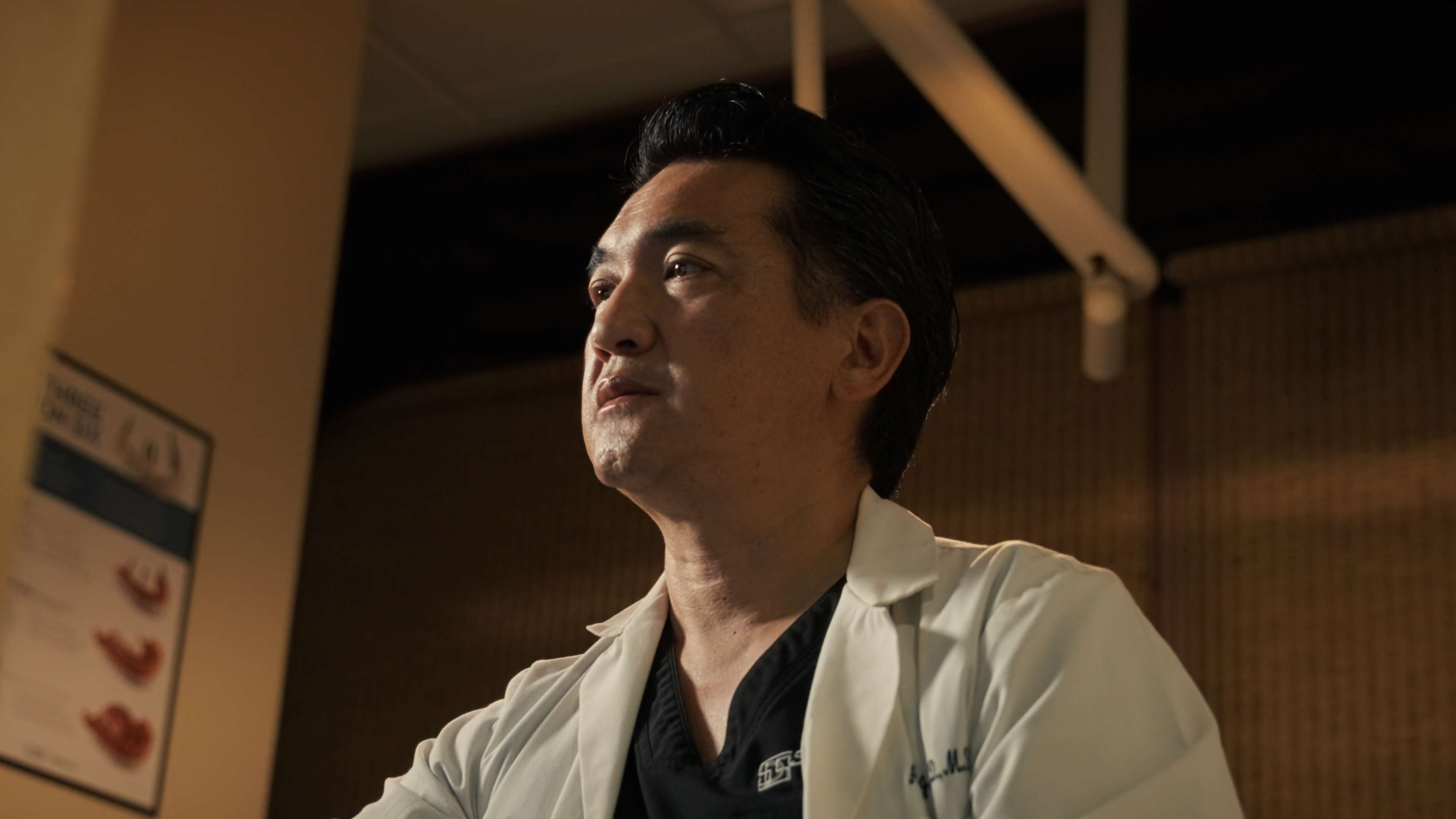
Most patients overestimate how much recovery dental implant surgery requires. The actual recovery is shorter and more manageable than most people expect — though it varies significantly depending on the procedure (single implant vs. full arch, with or without grafting). This page gives you a realistic, day-by-day timeline so you know what to expect, when to call us, and when you can return to normal life.
This is the period of most discomfort and the period most patients worry about. The reality is generally less dramatic than the anxiety leading up to it.
The local anesthetic is still active, so you’ll feel little to no pain at the surgical site. You’ll feel groggy from sedation if it was used. We send you home with prescription pain medication and instructions to start it before the anesthetic fully wears off — this prevents you from waking up to sudden sharp pain.
Local anesthetic wears off. Mild-to-moderate discomfort sets in, well-controlled by prescription medication. Some bleeding from the surgical site is normal — gauze is applied for the first 30–60 minutes after surgery, then changed as needed. Cold compresses applied to the cheek for 20 minutes on, 20 minutes off help reduce swelling.
Discomfort peaks for most patients in the first night. A second dose of pain medication before bed is often helpful. Sleep with your head slightly elevated using an extra pillow to reduce overnight swelling.
Day 2 is typically when swelling peaks. Patients often look more swollen than they actually feel. Bruising on the cheek or under the chin can appear and is normal — it migrates downward and yellows over 4–7 days as it resolves.
Most patients are eating soft foods (yogurt, smoothies, scrambled eggs, mashed potatoes, well-cooked pasta) by day 2 and finding pain medication needed less frequently. By day 3, many patients are switching from prescription pain medication to over-the-counter ibuprofen.
Hot foods and drinks should be avoided during this period — warm is fine, hot is not. Hot temperatures can dissolve early blood clots and irritate the surgical site.
By day 4–5, most patients are functioning normally. Mild swelling may persist but is usually no longer obvious to others. Light office work is comfortable for most. Strenuous exercise is still discouraged — elevated blood pressure can cause bleeding at the surgical site for the first 7–10 days.
Day 7 is typically when we see you back for a follow-up appointment. We check the surgical site, remove any non-resorbable sutures, confirm healing is progressing normally, and answer any questions that have come up during the week.
By the end of the first week, most patients are essentially back to normal life. The exceptions are full-arch surgical patients and those with significant grafting — their week-one experience is more involved, and we cover those longer recovery profiles below.
The gum tissue around the implant continues to heal and mature throughout the first month. Most patients can transition from soft foods to a wider diet during weeks 2–3 — though crunchy and hard foods should still be avoided in the implant area until the final restoration is in place.
Strenuous exercise, contact sports, and activities that significantly elevate blood pressure can typically resume after week 2. We confirm individual return-to-activity timing at your follow-up.
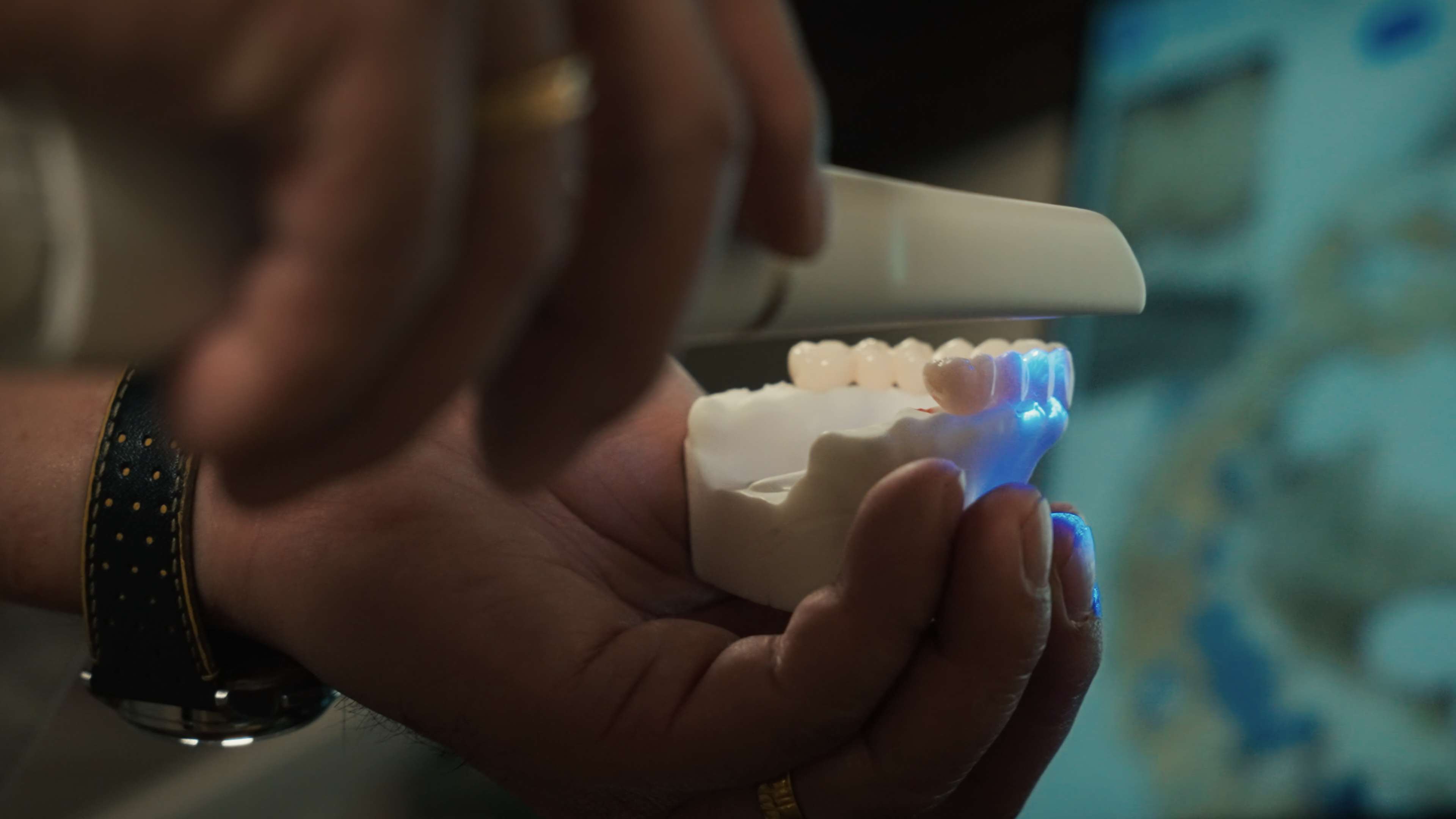
This is the longest part of the timeline, and the easiest. The implant is integrating with the surrounding bone — a process called osseointegration — over the next 3–6 months. You’re not in discomfort during this period; you’re simply waiting for the bone to bond with the implant before the final crown or bridge is placed.
For single-tooth implants, integration typically takes 3–4 months in the lower jaw, 4–6 months in the upper jaw. For implants placed in grafted sites, the integration timeline extends to allow for the additional healing.
During this phase, you’ll wear a temporary tooth (in esthetic areas), the temporary fixed prosthesis (for full-arch cases), or simply leave the surgical site to heal undisturbed (for back-tooth single implants). You’ll have brief check-up appointments every 4–8 weeks to confirm healing is on track.
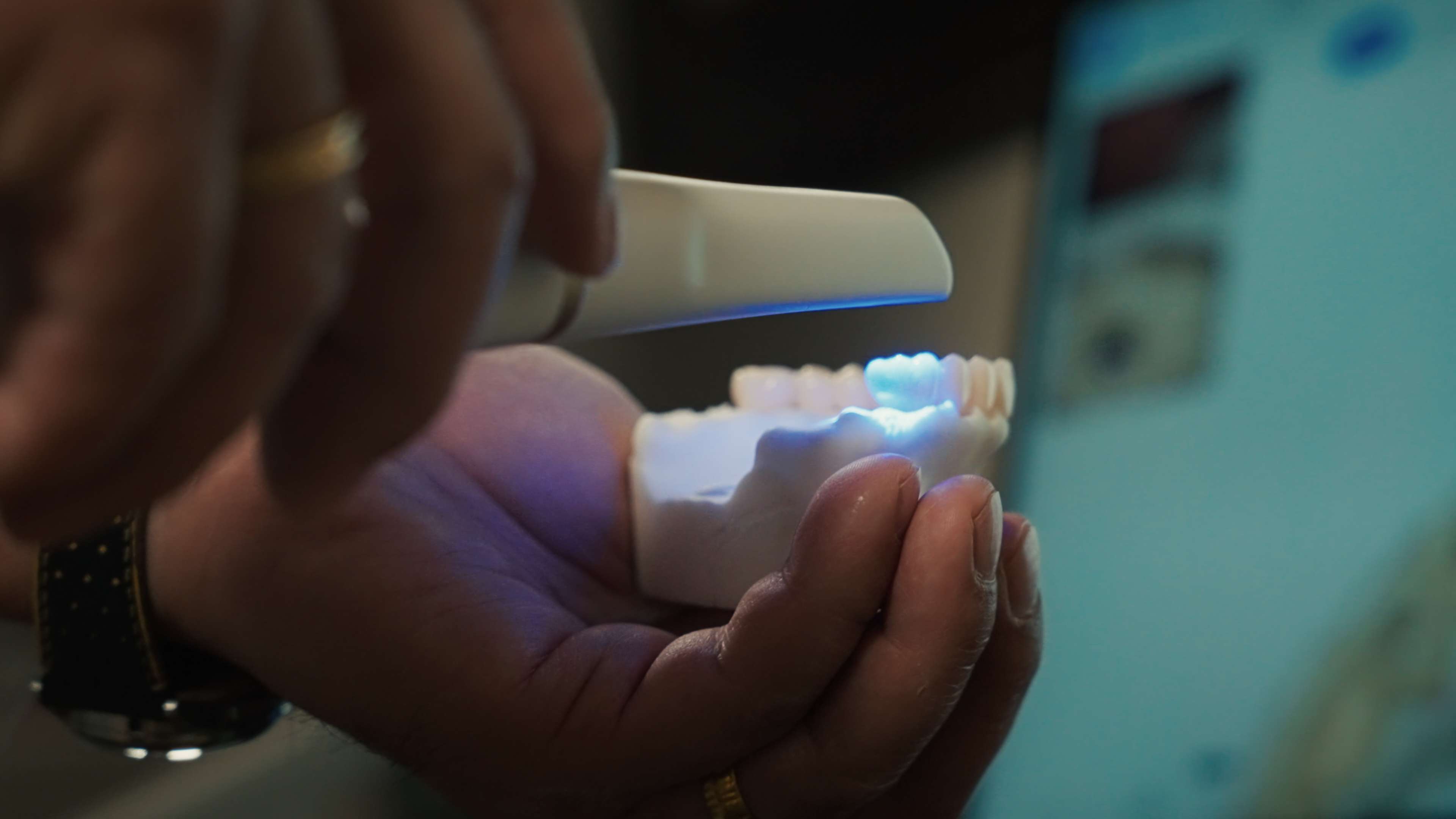
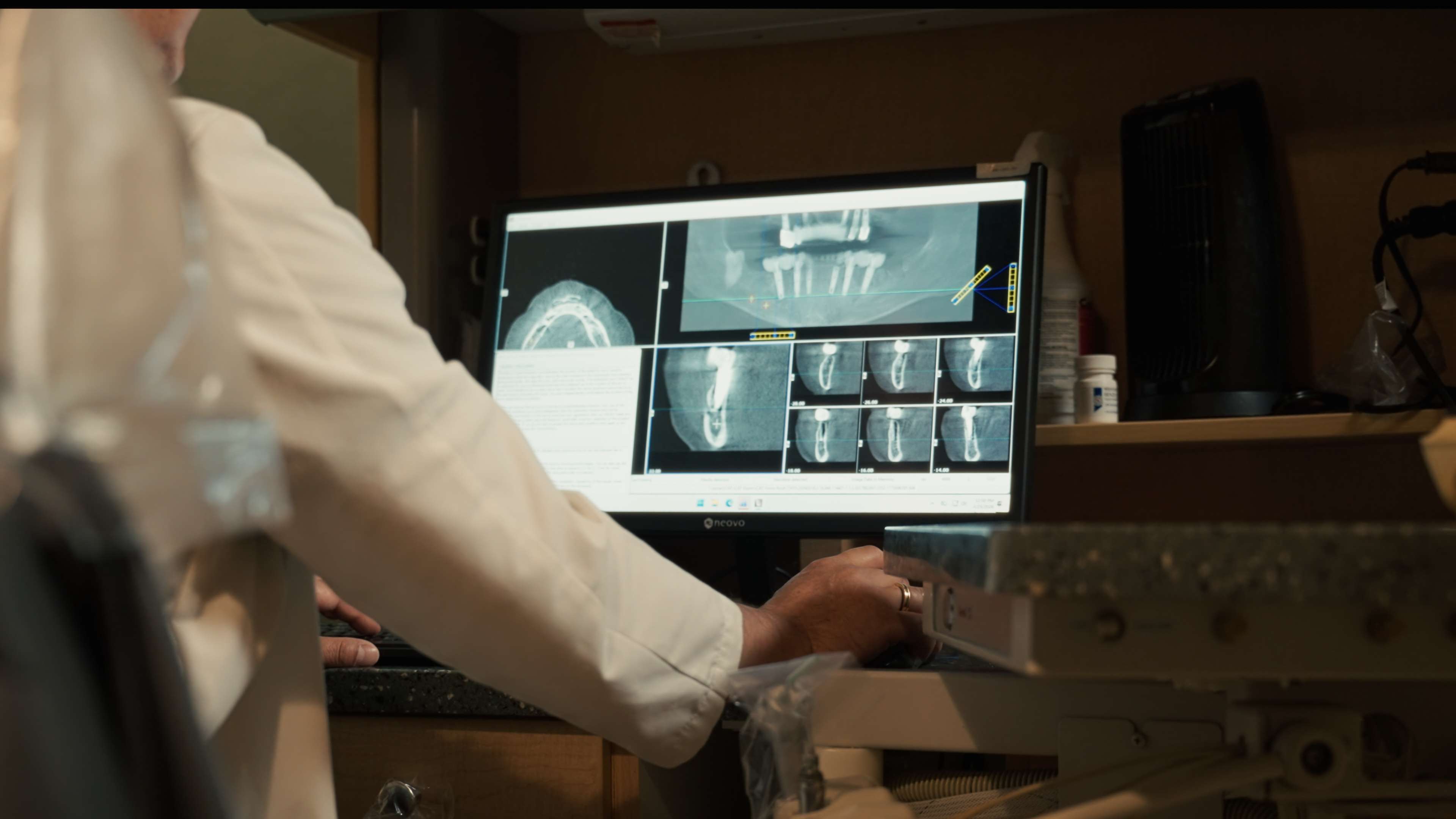
Once integration is confirmed (typically with a small clinical test and sometimes 3D imaging), we proceed to the final restoration. For single-tooth implants, this involves taking impressions, designing the final crown, and seating it 2–3 weeks later. For full-arch cases, this involves transitioning from the temporary prosthesis to the final zirconia bridge — a process that takes 3–4 appointments over 4–6 weeks.
The implant is fully functional once the final restoration is seated. From the patient’s perspective, this is the end of the recovery process.
Not all implant procedures have the same timeline. The general profiles in our practice:
We send every patient home with Dr. Huang’s direct number for the first 72 hours after surgery. Reasons to call: