
A missing tooth can affect more than the appearance of a smile. It may make eating uncomfortable, change the way a person speaks, or leave neighboring teeth without their usual support. Dental implants offer a stable replacement option designed to function much like natural teeth.
However, “dental implant” does not refer to just one treatment. An implant can support a single crown, anchor a bridge, stabilize a removable denture, or support a full-arch restoration. The right approach depends on the number and location of missing teeth, jawbone health, gum health, medical history, and personal priorities.
For patients comparing dental implants in Summerlin and the broader Las Vegas, NV, area, understanding these options can make the consultation process feel much more manageable.
This article provides general educational information and is not a diagnosis or treatment recommendation. A dental implant specialist must evaluate the mouth and medical history to determine which options are appropriate.
How Dental Implants Replace Missing Teeth
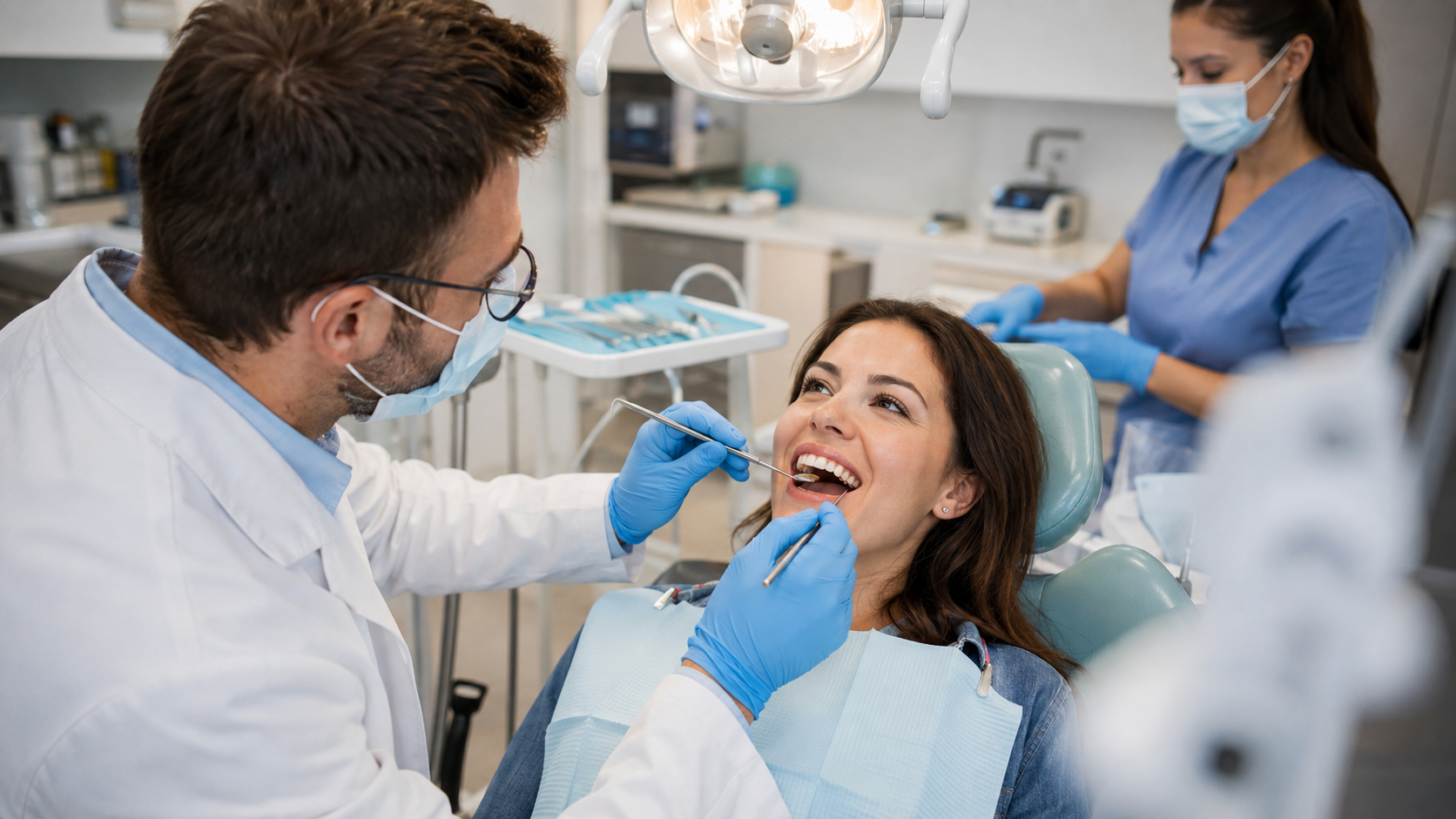
A dental implant is a small post placed in the jaw to act as an artificial tooth root. After the implant becomes stable within the surrounding bone, it can support a crown or another type of dental restoration.
The complete replacement generally has three parts:
- Implant: The portion positioned within the jawbone.
- Abutment: A connector between the implant and visible restoration.
- Restoration: The crown, bridge, denture, or full-arch prosthesis that replaces the visible teeth.
The biological process in which bone develops close contact with the implant is called osseointegration. It is different from the early recovery of the gums and usually represents one of the longer phases of implant treatment. Research evaluates implant stability and osseointegration separately from later outcomes such as gum health and long-term function.
Dental Implant Types Compared
Single-Tooth Implant
A single-tooth implant replaces one missing tooth without requiring the neighboring teeth to support a traditional bridge. Once the implant is ready for restoration, a custom crown is attached to recreate the visible tooth.
This option may suit someone with an isolated gap and adequate healthy bone in that area. The clinician also considers the space available, bite forces, gum condition, and proximity to nearby anatomical structures.
Implant-Supported Bridge
An implant-supported bridge can replace several adjacent teeth. Rather than placing an implant for every missing tooth, strategically positioned implants support a connected group of replacement teeth.
This approach may reduce the number of implants required while providing fixed support. The exact design depends on the size of the gap, bone availability, biting pressure, and location in the mouth.
Implant-Retained Removable Denture
A removable denture can be designed to connect to implants for greater stability. Patients can remove it for cleaning, but the attachment system may help reduce movement while speaking and eating.
This option is different from a fixed full-arch restoration. Anyone considering it should ask how the denture attaches, how it is cleaned, what maintenance the attachments require, and whether it will cover part of the gums or palate.
Fixed Full-Arch Implant Restoration
A fixed full-arch restoration replaces an entire upper or lower row of teeth and is supported by multiple implants. Depending on the clinical situation, a temporary set of teeth may sometimes be connected during an early stage of treatment. That does not mean healing is complete or that the final restoration has been delivered.
Full-arch care requires careful planning because the clinician must evaluate the jawbone, gum tissue, bite, smile design, implant positions, and condition of any remaining teeth. Different full-arch systems also vary in design, materials, repairability, and cleaning needs.
Who May Be a Candidate for Dental Implants?
Many adults with missing or severely compromised teeth can be evaluated for implants. Age alone does not determine candidacy. A specialist looks at the complete health picture and whether the mouth can support predictable healing and ongoing maintenance.
An implant evaluation may include:
- A review of dental and medical history
- An examination of the teeth, gums, and bite
- Dental imaging to assess bone shape and nearby structures
- A discussion of medications, tobacco use, and health conditions
- A review of the patient’s goals, schedule, and budget
Active gum infection, uncontrolled health conditions, insufficient bone, or heavy smoking may increase risk or change the recommended sequence of care. These factors do not automatically rule out treatment, but they deserve an individualized discussion.
If bone volume is limited, preparatory care such as bone grafting may be considered. Gum treatment or removal of a failing tooth may also need to occur before implant placement. Not every patient needs these procedures.
What Happens During the Implant Process?
1. Consultation and Planning
The first visit focuses on understanding the problem and comparing realistic solutions. Imaging helps the dental team assess bone dimensions and plan around nerves, sinuses, roots, and other important structures. This is also the right time to discuss alternatives such as a traditional bridge or removable denture.
2. Preparatory Treatment, If Needed
Some patients need an extraction, bone graft, or gum therapy before an implant can be placed. Others can proceed without a separate preparatory stage. When more than one procedure is necessary, the specialist should explain whether they can be combined or must be completed in sequence.
3. Implant Placement
The area is numbed before the implant is positioned in the jaw. Patients concerned about anxiety or sensitivity can ask which comfort and sedation options may be appropriate for their health and procedure.
A temporary tooth may be possible in selected situations, but immediate placement or immediate temporary teeth are not suitable for every case. Initial implant stability, bite forces, infection status, and bone quality all influence that decision.
4. Healing and Osseointegration
Implant recovery happens in distinct phases. Early symptom recovery involves temporary tenderness, swelling, bruising, or minor bleeding after surgery. Soft-tissue healing refers to the gums closing and settling around the surgical area.
Osseointegration is a deeper process in which the jawbone remodels around the implant. It continues beyond the point when the mouth may already feel comfortable. Its duration varies based on implant location, bone quality, overall health, grafting, and the treatment plan. A clinician should confirm stability rather than relying only on how the area feels.
5. Final Restoration
Once the implant is ready, the dental team records the shape, position, bite, and appearance needed for the restoration. The final crown, bridge, or full-arch prosthesis is then attached and checked for fit and function.
The full treatment is complete only after necessary preparatory care, implant integration, and delivery of the final restoration. This is separate from both early symptom recovery and gum healing.
Comfort and Recovery After Implant Placement
It is normal to have questions about discomfort. Experiences vary according to the number of implants, surgical complexity, grafting, personal health, and individual response to treatment. The dental team should provide instructions tailored to the procedure.
Common recommendations may include eating softer foods temporarily, cleaning the area as directed, avoiding disturbance of the surgical site, and taking prescribed or recommended medication exactly as instructed. Patients should contact the treating office if symptoms become worse rather than gradually improving, or if they notice persistent bleeding, fever, drainage, increasing swelling, or an implant or temporary restoration that feels mobile.
Las Vegas heat can also make hydration especially important. Patients should follow their clinician’s guidance about fluids, outdoor activity, exercise, and travel after surgery rather than assuming they can immediately return to every routine.
What Affects the Cost of Dental Implants?
Implant pricing cannot be compared accurately by looking only at the implant post. A complete estimate should clarify every stage included in the proposed care.
Factors that may affect the total include:
- The number of teeth being replaced
- The number and position of implants
- Diagnostic imaging and treatment planning
- Extractions, bone grafting, or gum treatment
- The abutment and restoration materials
- Temporary teeth, when indicated
- Anesthesia or sedation services
- Follow-up visits and maintenance
Patients should request a written treatment plan and ask whether the estimate includes the implant, abutment, temporary restoration, and final prosthesis. Dental benefits vary, so the office can help determine which portions may be eligible for coverage. Financing availability and terms should also be reviewed carefully.
How to Choose an Implant Provider in Las Vegas
Implant treatment combines surgical planning, gum and bone management, and restorative dentistry. When comparing providers, patients can ask:
- Who will perform each stage of treatment?
- What imaging is used for planning?
- Which alternatives were considered?
- What happens if grafting becomes necessary?
- How will temporary and final teeth differ?
- Who handles maintenance or unexpected concerns?
- What is included in the written estimate?
Significance Dental Specialists describes a collaborative, multispecialty model that brings together implant dentistry, periodontics, endodontics, and orthodontics. For a complex case, communication among relevant specialists may help streamline planning and clarify who is responsible for each phase.
Caring for Dental Implants Long Term
Implants cannot develop cavities, but the surrounding gums and bone still require care. Plaque accumulation can inflame the tissues around an implant, so daily cleaning and professional maintenance remain essential.
Patients should brush as instructed and clean around and beneath the restoration using tools recommended for its design. Depending on the restoration, these may include floss, interdental brushes, or a water flosser. Regular examinations allow the dental team to monitor the gums, bite, restoration, and implant-supporting structures.
Grinding, tobacco use, inconsistent cleaning, and missed maintenance visits may increase complications. A night guard or a more frequent maintenance schedule may be recommended for some patients.
Frequently Asked Questions
Do dental implants feel like natural teeth?
Implants do not contain the same nerves as natural tooth roots, but a well-designed restoration can provide stable function and a natural appearance. The gums, bite, and surrounding tissues still provide sensation and feedback.
Can an implant be placed immediately after an extraction?
Sometimes. Immediate placement depends on infection, available bone, gum condition, implant stability, and the tooth’s location. In other cases, healing or grafting is recommended first.
Can a patient receive a tooth on the same day?
Selected patients may receive a temporary restoration shortly after implant placement. It is usually designed to protect the healing area and may have eating restrictions. It is not the same as completing osseointegration or receiving the final restoration.
What if a patient has been told there is not enough bone?
A specialist can evaluate whether grafting, a different implant position, or another restoration may be appropriate. A previous opinion does not by itself establish eligibility for a particular procedure.
Are dental implants removable?
The implants themselves remain in the jaw. The teeth they support may be fixed or removable, depending on the treatment design. Patients should confirm which design is being proposed before proceeding.
How long do dental implants last?
No provider can guarantee a specific lifespan. Longevity depends on tissue health, cleaning, bite forces, medical factors, habits, restoration wear, and professional maintenance. Even when an implant remains healthy, the attached restoration may eventually require repair or replacement.
Take the Next Step With a Personalized Evaluation
The best implant option is not necessarily the one with the most implants or the shortest advertised timeline. It is the one that fits the patient’s anatomy, health, functional needs, and long-term maintenance abilities.
People exploring dental implants near Summerlin or elsewhere in Las Vegas, NV, can contact Significance Dental Specialists to request a consultation. A personalized examination can clarify candidacy, compare single-tooth and full-arch options, and provide a treatment sequence and written estimate based on the individual case.

