
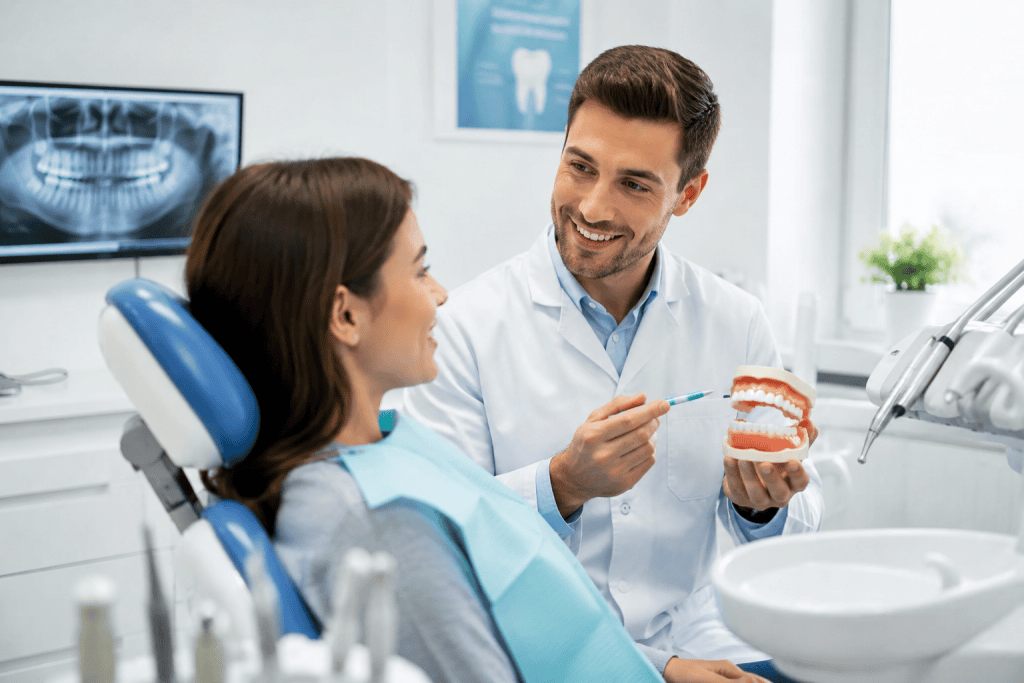
When a dental crisis strikes in Las Vegas, quick action makes the difference between a short visit and a long-term problem. They should seek an emergency dentist who offers same-day care, clear cost expectations, and gentle pain control to resolve issues fast and protect long-term oral health.
This article explains how to recognize true dental emergencies, what to expect during an urgent visit, common treatments available locally, and how insurance and costs typically work. It also covers ways to prevent future emergencies and how offices support anxious patients so someone can get comfortable care when it matters most.
Recognizing Dental Emergencies
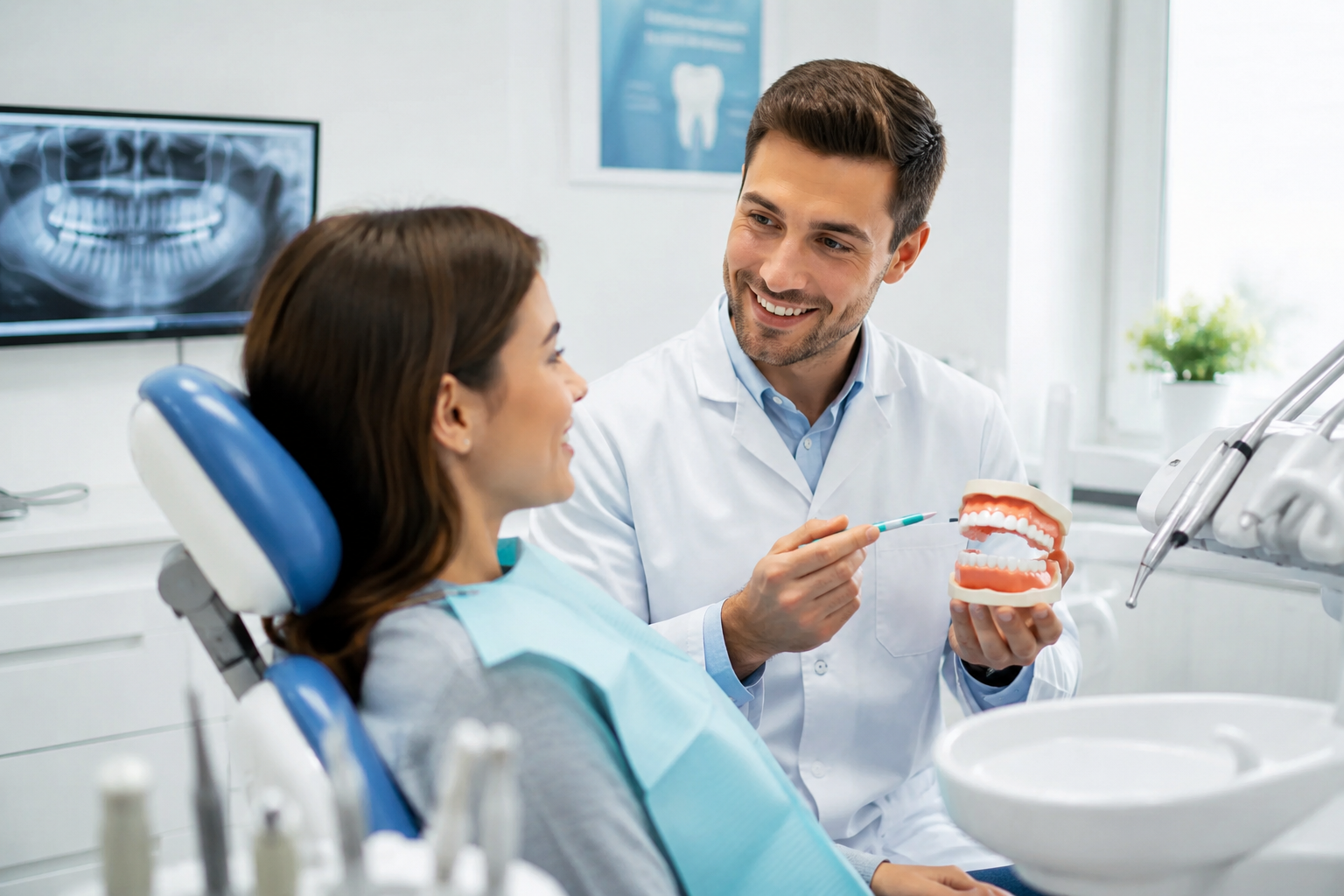
Quick identification of a dental emergency helps protect teeth, reduce pain, and prevent infection. The next subsections list clear signs, common problems, and practical guidance on when to seek emergency dental care versus an ER visit.
Signs You Need Immediate Dental Care
Severe tooth pain that wakes someone at night, pain with swelling, or pain lasting more than 24 hours signals urgent care is needed. Intense, throbbing pain, especially when accompanied by fever or facial swelling, often indicates an infection that can spread and requires prompt treatment.
A tooth knocked out or partially dislodged (avulsed or luxated) needs immediate attention—ideally within one hour for the best chance of saving the tooth. Heavy, uncontrolled bleeding from the mouth after trauma that does not stop with firm pressure for 10–15 minutes also demands urgent evaluation.
Visible bone exposure, loose permanent teeth after trauma, or a bite that suddenly no longer fits together are other red flags. Any sudden change in breathing or swallowing related to mouth injury requires calling emergency services without delay.
Common Types of Dental Emergencies
Tooth fractures range from minor cracks to severe breaks exposing the nerve; exposed dentin causes sharp sensitivity, while nerve exposure causes intense pain. Simple cracks may need smoothing or a crown; nerve exposure often requires root canal treatment or extraction.
Dental abscesses present as localized swelling, pus drainage, and severe, constant pain. Abscesses need antibiotics and dental drainage or root canal therapy; untreated abscesses can spread to the jaw, neck, or bloodstream.
Lost fillings or crowns can be painful and leave teeth vulnerable to decay; short-term use of temporary dental cement or sugar-free chewing gum can protect the tooth until a dentist re-cements or replaces the restoration. Soft-tissue injuries (lacerations to lips, tongue) should be cleaned and evaluated for stitches if bleeding persists.
When to Visit the ER vs. the Dentist
Go to the ER if a dental injury causes airway compromise, difficulty breathing or swallowing, uncontrolled bleeding after 15 minutes of pressure, or suspected facial bone fractures with vision changes. The ER stabilizes life-threatening issues and refers to dental specialists for follow-up.
See an emergency dentist for severe tooth pain, knocked-out teeth within hours, abscesses without airway symptoms, persistent swelling, or failed restorations causing pain. Emergency dental clinics provide same-day tooth reimplantation, extractions, root canal starts, and pain control.
If unsure, call the dental office first; many emergency dentists in Las Vegas offer after-hours lines. If symptoms include fever, spreading facial swelling, or trouble breathing, choose the ER immediately.
What to Expect During an Urgent Dental Visit
Patients can expect quick pain control, a focused exam, and a tailored plan for treatment or temporary stabilization. Staff prioritize comfort, speed, and clear next steps so patients leave safer and less anxious.
Initial Assessment and Comfort Measures
The dental team begins by confirming the patient’s medical history, current medications, and any allergies. This ensures safe pain management and avoids drug interactions, especially if the patient takes blood thinners or heart medications.
A triage nurse or front-desk clinician asks targeted questions about pain onset, intensity, swelling, fever, and recent trauma. They use this info to prioritize care and determine whether immediate imaging or antibiotics are needed.
Clinicians perform a focused oral exam: visible tooth fractures, bleeding, swelling, and signs of infection. If swelling threatens the airway or there is uncontrolled bleeding, emergency protocols start immediately.
Staff offer immediate comfort: cold packs for swelling, gauze to control bleeding, and topical anesthetic to numb sore areas before hands-on treatment. Dental anxiety is addressed with calm explanations and, when appropriate, nitrous oxide or oral sedatives.
Pain Relief Options
Dentists often begin with local anesthesia to numb the affected tooth and surrounding tissues, providing near-immediate relief for many acute conditions. For severe infections, they may place a temporary drain or open the tooth to relieve pressure.
Over-the-counter analgesics such as ibuprofen or acetaminophen are commonly recommended for moderate pain. Dosages reflect current guidelines and the patient’s medical history; combination therapy (ibuprofen plus acetaminophen) often offers superior pain control when safe.
For intense pain or when oral meds are contraindicated, dentists might prescribe short courses of stronger analgesics. They limit opioid prescriptions, use the lowest effective dose, and discuss side effects and safe storage or disposal.
If infection is present, clinicians may start antibiotics, typically amoxicillin or clindamycin for penicillin-allergic patients. Antibiotics accompany definitive treatment but rarely replace it; draining an abscess or performing root canal therapy remains the primary solution.
How Dentists Diagnose the Issue
Diagnosis combines clinical exam, targeted questions, and imaging as needed. A dental X-ray (periapical or panoramic) identifies root fractures, abscesses, bone loss, and impacted teeth that aren’t visible to the naked eye.
When soft-tissue injury, facial swelling, or suspected jaw fracture exists, a CBCT scan or medical-grade imaging may be ordered or referred to the emergency department. These images reveal complex fractures, extent of infection, and proximity to nerves.
Dentists also use simple chairside tests: percussion (tapping a tooth) to check for root inflammation, thermal testing for nerve vitality, and mobility checks for loosening. These tests help distinguish between reversible inflammation, necrotic pulp, and periodontal causes.
After gathering findings, the dentist explains the diagnosis, treatment options, estimated costs, and timing. They provide clear next steps: immediate treatment, temporary stabilization with a plan for follow-up, or referral to a specialist or hospital if necessary.
Popular Emergency Treatments in Las Vegas
Local clinics prioritize quick pain relief, infection control, and tooth preservation. Most emergency visits involve tooth pain, trauma, or restoration failures that need same-day evaluation and targeted treatment.
Treatment for Toothaches and Abscesses
When patients arrive with severe tooth pain or facial swelling, clinicians first assess vital signs and take a focused oral exam and radiographs if available. They determine whether pain stems from decay, pulpitis, or a dental abscess and start treatment promptly.
For abscesses, providers often prescribe antibiotics (amoxicillin or clindamycin for allergies) and drain purulent collections when accessible. Immediate pain control includes NSAIDs or short-course opioids in select cases, plus local anesthetic during procedures.
Definitive care commonly involves root canal therapy to remove infected pulp or extraction when the tooth is nonrestorable. Dentists explain risks and timelines clearly, schedule follow-up root canal or restorative work, and offer temporary protective restorations to reduce sensitivity and further contamination.
Repairing Broken or Knocked-Out Teeth
Traumatic injuries require fast action to maximize success, especially avulsed (knocked-out) permanent teeth. If a tooth is intact and the patient presents within an hour, clinicians try re-implantation using saline or milk-stored teeth, splinting it to adjacent teeth for stabilization.
Fractured teeth receive assessment for enamel-only, enamel-dentin, or pulp involvement. Small chips often get smooth bonding or composite veneers the same day. Deep fractures exposing pulp lead to pulpotomy or root canal therapy depending on root development and the extent of damage.
Emergency providers also manage soft-tissue lacerations and jaw pain from trauma, ordering CBCT scans when root fractures or alveolar bone injury are suspected. They coordinate with local ERs or oral surgeons for complex facial fractures or airway concerns.
Managing Lost Fillings or Crowns
Lost restorations cause discomfort, sensitivity, and increased risk of decay. Dentists evaluate remaining tooth structure and the cause of failure—recurrent decay, cement breakdown, or occlusal stress—and discuss repair versus full replacement.
Temporary measures include re-cementing crowns with temporary dental cement or placing a bonded composite filling to seal exposed dentin. These stop pain and protect the tooth until a permanent solution is fabricated.
Permanent treatment options range from new crowns and onlays to full-coverage restorations when substantial structure is missing. Providers recommend bite adjustment and occlusal guards for bruxism-related failures, and they schedule follow-ups to finalize definitive restorations.
Finding a Trusted Dentist Nearby
This section explains how to choose a local practice, verify hours and emergency availability, and confirm credentials and patient experience. It focuses on practical steps to find a reliable emergency dentist in Las Vegas.
Choosing a Local Practice
They should prioritize practices within a 10–15 minute drive from home or work to reduce stress during an emergency. Proximity matters when severe pain, swelling, or bleeding requires fast care.
Look for clinics that list emergency dentistry or same-day appointments on their website. Practices tied to larger dental groups or with an on-call dentist often handle urgent cases more efficiently.
Consider the clinic’s environment: modern equipment, clear signage about emergency services, and friendly front-desk staff indicate organization. Ask whether they accept the patient’s insurance or offer clear self-pay pricing and payment plans.
Request specifics: average wait time for walk-ins, whether they reserve slots for emergencies, and if they have digital x-rays and sedation options. These details reveal how prepared the office is for acute dental issues.
Checking Office Hours and Availability
Confirm published hours and whether the practice provides after-hours phone coverage or a 24/7 emergency line. Many Las Vegas clinics extend weekday hours and offer limited weekend shifts; verify which ones align with typical emergency windows.
Ask how quickly they can see new patients with acute problems. A trustworthy office will describe typical response times (same day, within a few hours) rather than vague promises.
Verify appointment booking methods: online booking, phone triage, or walk-in acceptance. Online systems with real-time availability and the ability to upload photos of the issue speed triage.
Confirm whether they maintain an on-call dentist for nights and holidays and what additional fees might apply for after-hours visits. Knowing potential extra costs avoids surprises during urgent care.
Verifying Credentials and Patient Reviews
Check the dentist’s state license and any board certifications relevant to emergency care, such as certifications in oral surgery or advanced trauma management. Nevada’s Board of Dental Examiners site offers license lookups for confirmation.
Read patient reviews on multiple platforms: Google, Yelp, Healthgrades, and the clinic’s Facebook page. Focus on recent reviews that mention emergency visits, wait times, pain management, and follow-up care.
Look for patterns: consistent praise for calm handling of pain and clear explanations indicates reliable emergency care. Watch for repeated complaints about long waits, poor communication, or billing surprises.
Contact the office and ask for references or case examples of emergency treatments they commonly perform, such as root canals, extractions, or infection management. Direct questions about sedation options and post-procedure support clarify their readiness for urgent situations.
Costs and Insurance for Urgent Dental Care
Patients can expect a range of prices depending on the procedure, the clinic’s hours, and whether they use in-network insurance. Many clinics offer same-day estimates, sliding scales, or payment plans to reduce immediate financial stress.
Typical Prices for Emergency Procedures
Common urgent procedures in Las Vegas often fall into predictable price ranges. An emergency exam and X-rays typically cost $75–$200. Simple tooth extractions run about $150–$400, while surgical extractions can be $300–$900 depending on complexity.
Root canal therapy on a single-root tooth usually ranges from $600–$1,200. Dental crowns placed after emergency treatment commonly add $800–$1,800. Temporary restorations or repairs for broken teeth are often $100–$400.
After-hours or weekend visits usually carry an additional fee of $50–$200. Costs rise if sedation, advanced imaging (CBCT), or specialist referral (oral surgeon) is required. Always request an itemized estimate before treatment.
How Dental Insurance Works in Emergencies
Most dental plans cover emergency exams and palliative care (pain relief, antibiotics) at a high coverage rate, often 80–100% after any deductible. Major procedures like crowns or root canals may be covered at 50% or require a waiting period for full benefits.
In-network providers generally charge lower negotiated rates. Out-of-network emergency care can be submitted to insurance, but patients may face larger out-of-pocket balances. Emergency room visits for dental pain usually result in higher medical bills and limited dental treatment—insurance often treats that differently than a dental office visit.
Patients should confirm coverage, deductibles, and annual maximums before care when possible. Bringing insurance info to the appointment speeds billing and can help staff estimate patient responsibility.
Flexible Payment Plans
Many Las Vegas emergency dental offices offer short-term financing or in-house payment plans to spread costs. Typical arrangements include interest-free plans for 3–12 months or low-interest options for longer terms.
Third-party financiers such as CareCredit or LendingClub provide credit lines specifically for medical and dental costs. Approval times can be minutes, enabling treatment the same day. Clinics often require a down payment, especially for larger procedures.
Patients should ask for written payment terms and get an itemized bill. Transparency about interest rates, late fees, and refund policies prevents surprises. For uninsured patients, some offices provide sliding-scale fees based on income or connect them with community dental clinics for reduced-cost follow-up care.
Tips for Preventing Future Dental Emergencies
Focus on daily routines that strengthen teeth, reduce decay, and protect against trauma. Consistent care, proper protective gear during activities, and timely dental visits lower the chance of sudden pain, broken teeth, or lost restorations.
Everyday Oral Health Habits
They should brush twice daily for two minutes with a soft-bristled brush and fluoride toothpaste. Brushing removes plaque and strengthens enamel when fluoride is present.
Floss once daily, using gentle sawing motions to clean below the gumline where a toothbrush can’t reach. Interdental brushes or water flossers help where gaps or braces make flossing hard.
Limit sticky and sugary snacks; choose cheese, nuts, or raw vegetables as alternatives. Sugary drinks should be avoided between meals; if consumed, rinse with water afterward.
Use a fluoride rinse nightly if at high risk for cavities; a dentist can recommend concentration. Replace a toothbrush every three months or after illness to maintain effective cleaning.
Protective Gear for Sports
They must wear a custom-fitted mouthguard for contact sports and any activity with fall risk, including skateboarding or mountain biking. A boil-and-bite guard is better than nothing, but a dentist-made guard offers superior fit, comfort, and protection.
For braces or bridgework, ask the dentist about an appliance-friendly guard to prevent appliance damage and soft-tissue injury. Keep an extra guard in sports bags and check for wear; replace when the material thins or cracks.
Children and teens should have guard fitting supervised by a dentist as their bite changes. Helmets and face shields must fit properly; combine gear to reduce both facial and dental injuries.
Regular Checkups and Early Intervention
They should schedule dental exams every six months or as the dentist recommends based on risk factors. Routine exams catch small cavities, gum inflammation, or wear patterns before they become emergencies.
Promptly address symptoms like constant toothache, swelling, or a loose crown; early treatment often avoids extraction or root canals. Ask about same-day or emergency appointment policies at the local dental office.
Discuss nightguards for clenching or grinding, and ask about sealants for molars in children and adults with deep grooves. Keep records of previous trauma, restorations, and medical history to guide preventive planning.
Support and Comfort for Anxious Patients
Patients often feel nervous about emergency dental visits, especially when pain or urgency is involved. Staff focus on clear explanations, comfort measures, and small environmental touches that reduce stress and help patients feel safer during treatment.
Gentle Communication Techniques
Dental teams use simple, direct language to explain what will happen next and why, avoiding jargon. They describe the steps of the exam and any immediate treatment in short sentences and pause for questions after each step.
Clinicians ask about specific fears — injections, drills, gag reflex — and offer tailored strategies like topical anesthetic before injections or slow, incremental treatment to build trust. They use a “stop” signal the patient chooses, enabling pauses without embarrassment.
Staff members maintain a calm tone, steady eye contact, and consistent updates during procedures. They document patient preferences (music, conversation level, prior coping techniques) so everyone on the team can provide consistent reassurance.
Amenities for Relaxation
Clinics provide practical amenities that reduce sensory overload: noise-canceling headphones, warm blankets, and dimmable lighting in treatment rooms. These items help control the environment quickly during an emergency visit.
Many offices offer music playlists or allow patients to stream their own audio to distract from procedural sounds. Waiting areas often include bottled water and comfortable seating to ease pre-treatment tension.
For higher anxiety, clinics may offer nitrous oxide (laughing gas) or oral sedatives prescribed after a quick medical screening. Staff explain risks, expected effects, and post-treatment care clearly and document consent before administering any sedative.
Guidance for Nervous Visitors
Reception staff coach patients on what to bring: a list of medications, photo ID, and a trusted companion if desired. They suggest arriving a few minutes early to complete forms and acclimate to the office atmosphere.
Providers advise avoiding heavy meals, alcohol, or driving if sedatives will be used. They give written aftercare instructions and a direct phone number for follow-up questions to reduce uncertainty after leaving the clinic.
Clinics encourage patients to describe prior negative experiences so staff can avoid repeating triggers and tailor the visit. This preparatory information helps create a predictable, less stressful emergency appointment.
Why Timely Care Matters
When dental pain or trauma strikes, quick action reduces the chance of complications. Delayed treatment can let an infection spread, increasing the need for root canals or extractions.
Prompt care preserves teeth and shortens recovery time. For example, a knocked-out tooth has the best chance of being saved if re-implanted within an hour.
Early treatment also limits pain and anxiety for the patient. Managing symptoms quickly improves comfort and helps avoid stronger medications later.
Timely visits lower overall costs by preventing more complex procedures. A simple repair now often costs far less than multiple treatments after an infection or collapse.
Emergency clinics in Las Vegas offer same-day exams, X-rays, and temporary fixes. These steps stabilize the situation and create a plan for definitive care.
Patients who seek care quickly tend to have better outcomes and faster return to normal eating and speech. Encourage patients to call at the first sign of severe pain, swelling, or trauma.
Encouraging Your Next Steps
They should call the clinic as soon as possible when pain, swelling, or a lost filling occurs. Prompt contact helps prioritize same-day or after-hours appointments and reduces the chance of complications.
If pain is moderate, they can use OTC pain relievers and cold packs while arranging care. Avoid placing aspirin directly on gums; it can irritate tissues.
Bring insurance information, a list of current medications, and a photo of the injured area if available. These details speed diagnosis and help the dentist plan treatment before the visit.
For dental anxiety, the office can offer sedation options and explain each step beforehand. Clear communication about comfort measures makes the visit less stressful and more predictable.
They should expect a brief exam, digital X-rays if needed, and a explained treatment plan with costs. The team often provides temporary fixes same day, then schedules definitive care.
Use these quick tips to prepare:
- Call ahead with symptoms and preferred times.
- Gather ID, insurance, and medications.
- Follow simple home care instructions given by staff.
They can also ask about financing, new patient forms, or tele-triage options during the call. A friendly receptionist or dentist will guide them through practical next steps and answer questions.
Frequently Asked Questions
This section answers practical, immediate concerns about urgent dental care in Las Vegas, NV: appointment needs, what to do for severe pain, when to use the ER, which problems are true emergencies, payment and Medicaid options, and weekend availability.
Can I walk in for urgent dental care, or do I need an appointment?
Many emergency dental clinics in Las Vegas accept walk-ins, but appointment availability varies by practice and time of day. Calling ahead increases the chance of being seen quickly and lets staff prepare for your specific problem.
What should I do right now if I have severe tooth pain and can’t reach a dentist?
Rinse gently with warm salt water to reduce bacteria and swelling, then use over-the-counter acetaminophen or ibuprofen per label directions for pain control. Apply a cold compress to the cheek for 10–15 minutes at a time and seek a dentist as soon as a clinic can be reached.
Will a hospital emergency room help with dental pain or a tooth infection?
Hospital ERs will treat severe complications such as spreading facial swelling, high fever, or difficulty breathing or swallowing. ERs typically provide antibiotics and pain control but not definitive dental care, so follow-up with a dentist is essential.
What kinds of problems count as a true dental emergency versus something that can wait?
True emergencies include uncontrolled bleeding, severe trauma with tooth displacement, intense pain unrelieved by medication, and signs of a spreading infection (swelling, fever, difficulty breathing). Minor chips, mild sensitivity, or cosmetic concerns can usually wait for a scheduled appointment.
Do you offer options for urgent care if I don’t have dental insurance or I’m using Medicaid?
Many Las Vegas emergency dental providers offer self-pay rates, sliding-scale fees, payment plans, and discounted exam or X-ray fees for uninsured patients. Some clinics accept Nevada Medicaid for emergency services; calling the office ahead clarifies accepted plans and out-of-pocket costs.
Are you open on weekends or Sundays for unexpected dental emergencies?
Several emergency dental offices in Las Vegas operate evenings and weekends, with some specifically open on Sundays to handle urgent cases. Patients should verify hours on the clinic’s website or by phone to confirm weekend availability and any extra fees for after-hours care.

