

For patients exploring implant dentistry in Las Vegas, NV, understanding the process can make treatment feel more manageable. Dental implants are not a single product or a one-size-fits-all procedure. Treatment may involve replacing one tooth, supporting several replacement teeth, stabilizing a denture, or rebuilding an entire arch.
This article provides general educational information and is not a diagnosis or personalized treatment recommendation. A dentist or dental specialist must evaluate oral health, medical history, and imaging to determine whether implant treatment is appropriate.
What Is Implant Dentistry?
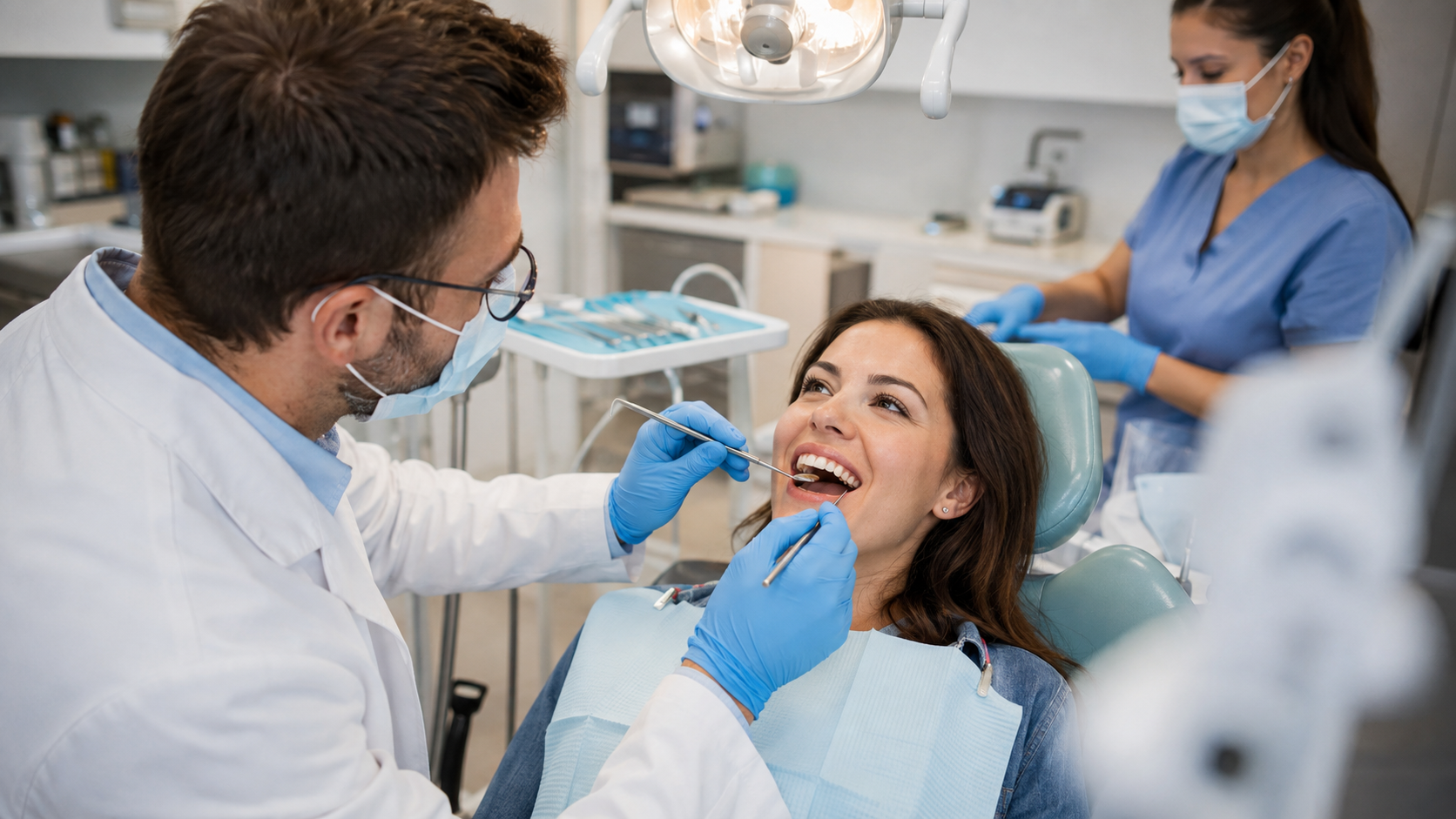
Implant dentistry focuses on replacing missing teeth using small posts placed within the jawbone. An implant serves as the foundation for a dental restoration rather than replacing the visible tooth by itself.
A completed single-tooth restoration generally has three main parts:
- The implant: The portion placed in the jawbone to act as an artificial tooth root.
- The abutment: A connector between the implant and the visible restoration.
- The crown: The custom-made replacement tooth visible above the gumline.
Implants can also support bridges and dentures. Because the restoration receives support from implants, patients may experience greater stability than they would with certain removable tooth-replacement options. The most suitable approach depends on the number and location of missing teeth, available bone, gum health, bite, medical considerations, and personal goals.
Which Dental Implant Options Are Available?
Single-Tooth Implants
A single implant and crown may replace one missing tooth without relying on neighboring teeth for support. The dentist carefully plans the implant position so the final crown can fit naturally within the bite and smile.
Implant-Supported Bridges
When several adjacent teeth are missing, an implant-supported bridge may replace them without requiring an individual implant for every tooth. The number and placement of implants must be selected according to the patient’s anatomy and the forces placed on the restoration.
Implant-Supported Dentures
Implants may help stabilize a removable denture, reducing unwanted movement while eating or speaking. Some restorations snap onto the implants and remain removable for cleaning, while others are secured and removed only by a dental professional.
Full-Arch Implant Restorations
Patients missing most or all teeth in an upper or lower arch may be evaluated for a full-arch restoration. These cases require detailed planning because the dentist must consider bone support, implant position, facial appearance, speech, hygiene access, and how the upper and lower teeth meet.
What Happens During the Dental Implant Process?
Implant treatment usually develops through several distinct phases. The exact sequence varies, especially if a patient needs an extraction, gum treatment, or bone grafting before implant placement.
1. Consultation and Treatment Planning
The first visit typically includes a conversation about missing teeth, current concerns, health history, medications, and treatment goals. The clinician examines the teeth and gums and reviews appropriate dental images to assess the jawbone and nearby structures.
This is also the time to compare options. An implant may be an excellent solution for one patient, while another person may benefit from a bridge, removable denture, or a different treatment sequence. A clear plan should explain the proposed procedures, alternatives, expected appointments, possible risks, and estimated fees.
2. Preparing the Mouth
Healthy gums and a suitable foundation are important for implant care. Active oral disease may need attention before surgery. Depending on the individual situation, preparation could include gum treatment, tooth removal, management of infection, or bone augmentation.
Needing an additional procedure does not automatically rule out implant treatment. It means the care plan may require extra steps to create a healthier and more predictable foundation.
3. Implant Placement
During placement, the clinician creates a carefully planned space in the jawbone and positions the implant. Local anesthesia is commonly used to numb the treatment area. Comfort options may also be discussed based on the procedure, the patient’s health, and the level of dental anxiety.
In some cases, a temporary tooth can be provided during treatment. In others, the implant should remain protected from significant chewing pressure. The clinician will explain what is appropriate for that specific site.
4. Healing and Osseointegration
Recovery is not one single milestone. It helps to distinguish four parts of the process:
- Early symptom recovery: Tenderness, minor bleeding, bruising, or swelling may occur after surgery and should gradually improve rather than worsen.
- Soft-tissue healing: The gums continue healing around the surgical area even after the initial discomfort has eased.
- Osseointegration: The bone gradually forms a close connection with the implant. This biological process takes longer than the early recovery period.
- Final restoration: Treatment is not complete until the implant is ready and the crown, bridge, or denture has been fitted and adjusted.
Timelines vary considerably according to bone quality, implant location, additional procedures, overall health, and how the site responds. Patients should rely on their clinician’s personalized timeline rather than comparing recovery with someone else’s experience.
5. Placement of the Final Restoration
Once the clinician determines that the implant is ready, impressions or digital scans help guide the design of the final restoration. The dental team checks appearance, fit, speech, comfort, and bite before completing treatment. Follow-up visits allow the team to monitor the tissues and make adjustments when necessary.
Who May Be a Candidate for Dental Implants?
Many adults with missing or failing teeth can be evaluated for implants, but candidacy depends on more than age. The clinician considers gum health, bone availability, oral hygiene, bite forces, tobacco use, medical history, medications, and the patient’s ability to attend follow-up appointments.
Health conditions do not always prevent implant treatment. However, they may affect planning, healing, or maintenance and should be discussed openly. Research continues to examine connections between systemic health and changes in the bone around dental implants. A cross-sectional study involving researchers at the University of Nevada, Las Vegas, for example, explored associations between systemic diseases and marginal bone loss around implants; an association does not by itself prove that one factor caused another.
Patients should provide a complete medication list and describe previous surgeries, healing difficulties, gum disease, teeth grinding, and tobacco or nicotine use. Honest information helps the dental team plan safer, more individualized care.
Comfort, Recovery, and Warning Signs
Concern about discomfort is common. The treatment area is numbed during implant placement, and the team can explain available comfort measures before the procedure. Afterward, patients receive instructions covering oral hygiene, eating, activity, medication use, and follow-up care.
It is normal for the surgical area to need time to settle. Patients should contact the dental office promptly if pain or swelling becomes more intense instead of improving, bleeding does not slow, a temporary restoration or implant component feels loose, or there are other unexpected symptoms. Trouble breathing or swallowing requires urgent medical attention.
Following written aftercare instructions matters. Smoking, disturbing the site, skipping prescribed hygiene steps, or chewing hard foods in the treated area may interfere with recovery.
How Much Does Implant Dentistry Cost in Las Vegas?
There is no reliable single price for every implant case. The total investment depends on the number of teeth being replaced, the type of restoration, diagnostic imaging, materials, sedation or comfort options, and whether extractions, gum treatment, or bone procedures are needed.
A useful estimate should clarify what is included. Patients can ask whether the quote covers implant placement, the abutment, temporary teeth, the final restoration, imaging, follow-up visits, and any anticipated preparatory treatment. Dental insurance benefits and financing arrangements also vary, so the practice can help explain available options without assuming that every service will be covered.
When comparing estimates, price should not be the only consideration. The proposed treatment design, clinician’s training, coordination between surgical and restorative care, maintenance plan, and clarity of communication all affect the overall patient experience.
Choosing an Implant Dentistry Provider in Las Vegas, NV
A consultation should leave the patient feeling informed rather than pressured. Helpful questions include:
- Why is this implant option recommended?
- Are there reasonable non-implant alternatives?
- Who will perform the surgical and restorative portions of treatment?
- Will gum treatment or bone grafting be necessary?
- What temporary tooth option will be available?
- How will comfort and dental anxiety be addressed?
- What does the written estimate include?
- What maintenance will the restoration require?
Significance Dental Specialists offers implant consultations and implant services in Las Vegas, NV, including options for single teeth, multiple missing teeth, denture stabilization, full-arch restorations, implant maintenance, and complex rehabilitation. Its multi-specialty approach is intended to support coordination among different areas of dental care when a case requires it.
Caring for Dental Implants Over the Long Term
Dental implants cannot develop cavities, but the gums and bone around them still require ongoing care. Plaque can collect around an implant restoration just as it does around natural teeth.
Patients should clean according to the dental team’s instructions, which may include a toothbrush, floss, interdental brushes, or other tools selected for the restoration. Regular professional examinations allow the team to evaluate the gums, bite, restoration, and implant area. Patients who clench or grind their teeth may also be advised to use a protective appliance.
A loose crown, change in the bite, bleeding during cleaning, persistent tenderness, or difficulty keeping the area clean should be evaluated rather than ignored. Early attention may help prevent a minor concern from becoming more complicated.
Frequently Asked Questions About Implant Dentistry
Do dental implants look like natural teeth?
The visible restoration is designed to coordinate with surrounding teeth in shape and color. The final appearance depends on the location, gum contours, available space, materials, and individual anatomy. No clinician can guarantee an identical result for every patient.
Can someone get an implant immediately after a tooth is removed?
Sometimes an implant can be placed during the same visit as an extraction, but immediate placement is not appropriate in every situation. Bone condition, infection, gum tissue, implant stability, and the planned restoration all influence the decision.
Is a bone graft always required?
No. Some patients have enough suitable bone for implant placement without grafting, while others need additional support. Dental imaging and a clinical examination help determine whether a graft should be considered.
Can dental implants replace dentures?
Implants may support either a removable overdenture or a fixed full-arch restoration. The best choice depends on anatomy, hygiene needs, treatment goals, health considerations, and budget.
Are dental implants permanent?
Implants are intended as a long-term tooth-replacement option, but they are not guaranteed to last for life. Gum health, bone support, oral hygiene, bite forces, tobacco use, health changes, and regular maintenance can influence longevity. The crown, bridge, or denture attached to an implant may also need repair or replacement over time.
Take the Next Step Toward a Complete Smile
Implant dentistry can offer flexible solutions for one missing tooth, several missing teeth, or a complete arch. The right starting point is a thorough evaluation and an open conversation about goals, health, comfort, alternatives, timing, and cost.
Patients considering implant dentistry in Las Vegas, NV can contact Significance Dental Specialists to schedule a consultation, ask questions, and receive a treatment plan tailored to their individual needs. A personalized evaluation is the best way to understand which options may be appropriate.

