
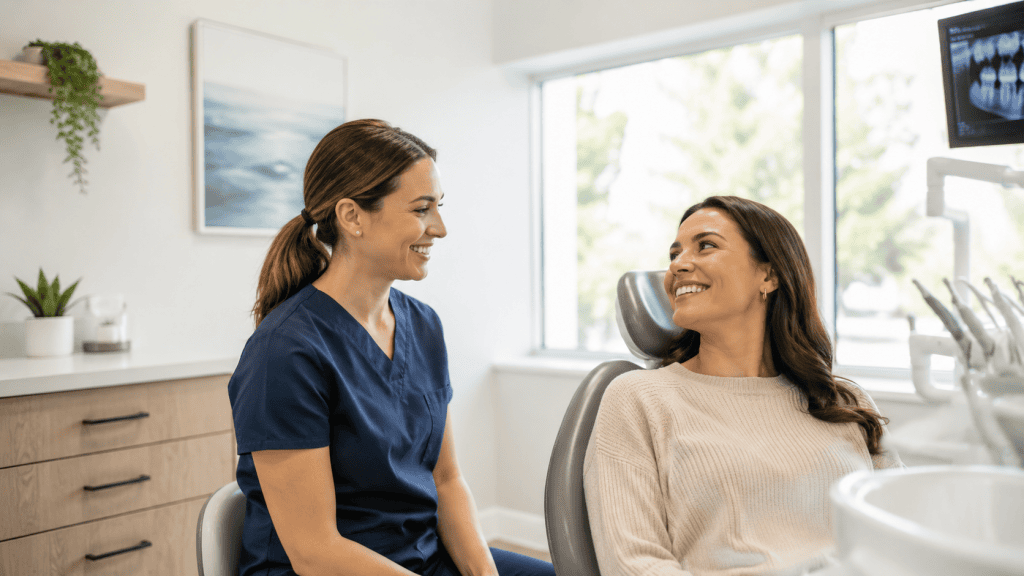
If the idea of straightening your teeth brings to mind metal brackets, wires, and frequent adjustments, clear aligner treatment may feel like a welcome change. For many patients searching for Invisalign in Las Vegas, NV, the appeal is simple: a more discreet, removable way to improve tooth alignment while still enjoying everyday life.
Invisalign uses a series of custom-made clear aligners that gently guide teeth into better positions over time. The aligners are nearly invisible, removable for meals, and designed to fit comfortably over the teeth. For adults and teens who want orthodontic treatment without the look of traditional braces, Invisalign can be an excellent option to discuss with a qualified dental professional.
Every smile is different, so clear aligners are not one-size-fits-all. This guide explains how Invisalign works, who may be a candidate, what treatment usually involves, and what patients can do to get the best possible experience.
This article is for general educational purposes only and does not replace a personalized dental evaluation. Patients should consult a licensed dental professional for diagnosis, treatment recommendations, costs, timelines, and individual risks.
What Is Invisalign?
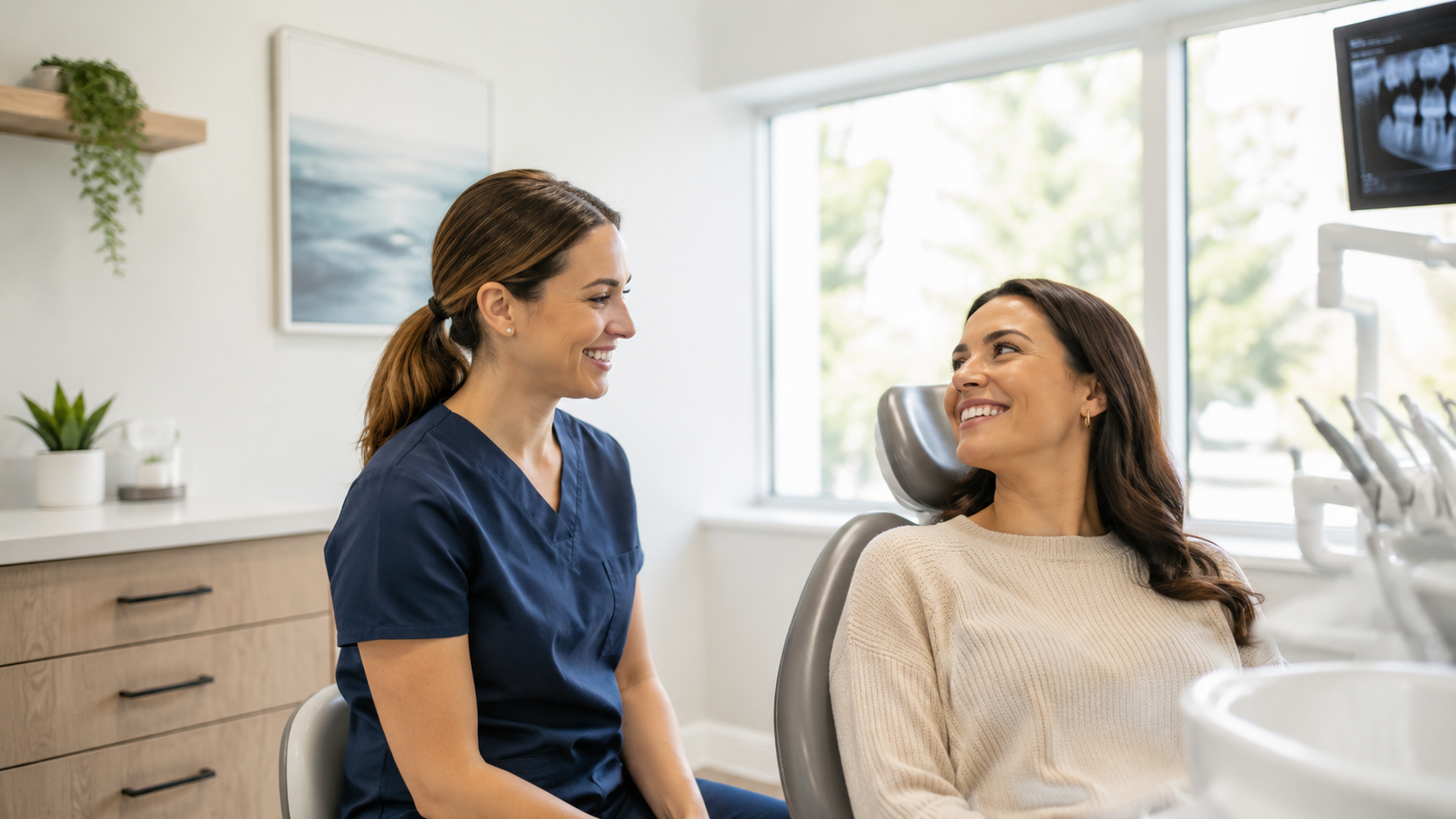
Invisalign is a clear aligner system used to move teeth gradually. Instead of using metal brackets and wires, it relies on a planned sequence of transparent plastic trays. Each set of aligners applies gentle pressure to specific teeth, helping them shift step by step.
The aligners are custom made based on digital scans or impressions of the patient’s teeth. A dental provider plans the tooth movements and monitors progress throughout treatment. Patients typically switch to a new set of aligners every one to two weeks, depending on the treatment plan.
Because Invisalign trays are removable, patients can take them out to eat, drink anything other than water, brush, and floss. This flexibility is one reason many people prefer clear aligners over fixed braces.
Why Patients Consider Invisalign in Las Vegas, NV
Las Vegas is a busy, social, and professional city. Whether someone works with the public, attends school, travels often, or simply wants a subtle treatment option, Invisalign can fit into many lifestyles.
Patients often choose Invisalign because they want orthodontic care that feels less noticeable. The aligners are clear and slim, so most people will not immediately see them during conversation. For patients who feel self-conscious about braces, this can make treatment feel easier to start.
Another major benefit is convenience. Since aligners are removable, there are no food restrictions in the same way there are with traditional braces. Patients can still enjoy meals, brush and floss normally, and maintain regular oral hygiene habits with fewer obstacles.
That said, Invisalign requires commitment. The aligners only work when worn as directed, usually around 20 to 22 hours per day. Patients who are consistent tend to have smoother treatment experiences than those who frequently leave aligners out.
What Types of Dental Concerns Can Invisalign Address?
Invisalign may help with a range of mild to moderate alignment concerns. A dental provider must evaluate the teeth, bite, gums, and jaw relationship before determining whether it is appropriate.
Crowded Teeth
Crowding happens when there is not enough space for teeth to line up properly. Teeth may overlap, twist, or sit too close together. This can make brushing and flossing more difficult, increasing the chance of plaque buildup in tight spaces.
Gaps Between Teeth
Some patients have spacing between teeth due to tooth size, jaw size, missing teeth, or natural development. Invisalign may be able to close certain gaps and create a more balanced smile.
Overbite, Underbite, and Crossbite Concerns
Bite issues occur when upper and lower teeth do not meet in an ideal way. Invisalign can help with some bite concerns, especially when they are mild or moderate. More complex bite problems may require other orthodontic options or a combined approach.
Relapse After Braces
Many adults had braces years ago but noticed their teeth shifted over time. Invisalign may be a good option for correcting minor relapse, especially when the patient’s teeth and gums are healthy.
Who May Be a Good Candidate for Invisalign?
A good Invisalign candidate usually has healthy teeth and gums, manageable alignment concerns, and the motivation to wear aligners consistently. The best way to know is through an in-person consultation with a dental professional.
During the evaluation, the provider may check for cavities, gum disease, worn enamel, jaw issues, and bite problems. These conditions do not always prevent Invisalign treatment, but they may need attention first. Starting orthodontic movement on an unhealthy foundation can lead to complications, so oral health comes first.
Invisalign may be especially appealing for adults and responsible teens who can follow instructions. Since the trays are removable, patients must keep track of them, clean them properly, and wear them most of the day.
Patients with severe crowding, significant jaw discrepancies, or complex tooth movement needs may not be ideal candidates for Invisalign alone. In those cases, a provider may discuss braces, attachments, refinements, or other treatment options.
What to Expect During the Invisalign Process
Knowing the steps can make treatment feel less intimidating. While every dental office has its own workflow, Invisalign treatment often follows a similar path.
1. Consultation and Smile Evaluation
The process begins with a consultation. The dental provider reviews the patient’s goals, examines the mouth, and determines whether clear aligners may be appropriate. This visit is also the right time to ask questions about treatment length, costs, payment options, and expectations.
2. Digital Scans or Impressions
If the patient is a candidate, the dental team captures detailed records of the teeth. Many modern offices use digital scanning technology instead of traditional putty impressions. These scans help create a precise model for planning aligner movement.
3. Personalized Treatment Plan
The provider maps out how the teeth should move over time. Some patients may be able to preview a digital simulation of the expected tooth movement. This preview is helpful, but it should be understood as a planning tool rather than a guaranteed final result.
4. Receiving the Aligners
Once the aligners are made, the patient returns to receive the first sets. The dental team explains how to insert and remove them, how long to wear them, and how to clean them. Some patients may also receive small tooth-colored attachments that help the trays grip teeth more effectively.
5. Wearing Aligners Daily
Patients usually wear Invisalign aligners for 20 to 22 hours per day. They remove them for meals, hot drinks, brushing, and flossing. Most patients switch to the next set according to the schedule provided by their dental professional.
6. Progress Checks
Periodic visits allow the provider to confirm that teeth are moving as planned. If progress is not tracking as expected, the provider may adjust instructions, order refinements, or recommend additional steps.
7. Retainers After Treatment
After Invisalign treatment, retainers help maintain the new tooth positions. Teeth naturally tend to shift over time, so retainers are an important part of protecting the results. The provider will explain when and how often to wear them.
How Long Does Invisalign Treatment Take?
Invisalign treatment time varies widely. Some minor cases may take only a few months, while more involved cases may take a year or longer. The timeline depends on the complexity of tooth movement, how consistently the aligners are worn, and how well the teeth respond.
Patients should be cautious about promises of extremely fast results. Safe orthodontic movement takes time because teeth move through bone and surrounding tissues. A personalized evaluation is the only way to estimate a realistic timeline.
Does Invisalign Hurt?
Invisalign is not usually described as painful, but patients should expect some pressure or soreness when starting a new set of aligners. This sensation is often a sign that the trays are applying gentle force to move the teeth.
Discomfort is usually mild and temporary. It may feel similar to the tenderness someone experiences after an orthodontic adjustment. If pain is sharp, severe, or does not improve, the patient should contact the dental office for guidance.
Eating, Drinking, and Daily Life With Invisalign
One of the biggest lifestyle advantages of Invisalign is that patients can remove the aligners for meals. There is no need to avoid popcorn, crunchy vegetables, or sticky foods because of brackets or wires. However, patients should always remove aligners before eating.
Water is generally fine while wearing aligners. For coffee, tea, soda, juice, wine, or sports drinks, it is best to remove the trays first. Colored beverages can stain aligners, and sugary or acidic drinks can get trapped against the teeth, increasing the risk of enamel wear or cavities.
After eating or drinking, patients should brush before putting aligners back in when possible. If brushing is not available, rinsing with water can help until a toothbrush is accessible.
How to Care for Invisalign Aligners
Good aligner care keeps trays clear, fresh, and comfortable. It also supports better oral health throughout treatment.
- Rinse aligners every time they are removed.
- Brush aligners gently with a soft toothbrush.
- Avoid hot water, which can warp the plastic.
- Store aligners in their case when not in use.
- Brush and floss teeth before reinserting aligners whenever possible.
- Do not wrap aligners in napkins, where they can be accidentally thrown away.
Patients should also keep regular dental cleanings during Invisalign treatment. Straightening teeth does not replace preventive care, and professional cleanings help keep gums healthy while teeth are moving.
Invisalign vs. Braces: Which Is Better?
Neither Invisalign nor braces are automatically better for every patient. The right choice depends on the person’s oral health, treatment goals, alignment needs, budget, and lifestyle.
Invisalign may be preferred by patients who want a discreet, removable option and can commit to wearing trays consistently. Braces may be recommended for more complex movements, patients who may not wear aligners reliably, or situations where fixed appliances offer better control.
A dental professional can explain the pros and cons of each option after evaluating the patient’s smile. In some cases, both options may be available. In others, one may clearly provide a safer or more predictable path.
How Much Does Invisalign Cost?
The cost of Invisalign varies based on case complexity, treatment length, provider experience, location, and whether additional services are needed. Some patients require only limited treatment, while others need more extensive planning and refinements.
Dental insurance may cover part of orthodontic treatment if the plan includes orthodontic benefits. Many offices also offer payment options or financing to help make care more manageable. Because fees differ from patient to patient, the most accurate estimate comes from a consultation.
Questions to Ask at an Invisalign Consultation
A consultation is the best opportunity to understand what treatment may look like. Patients may want to ask:
- Is Invisalign appropriate for this specific smile and bite?
- How long might treatment take?
- Will attachments or refinements be needed?
- How often are progress visits scheduled?
- What happens if the teeth do not track as planned?
- What is included in the quoted fee?
- Are retainers included after treatment?
- What payment or financing options are available?
Clear answers can help patients feel confident and prepared before starting treatment.
FAQ About Invisalign
Is Invisalign really invisible?
Invisalign aligners are very discreet, but not completely invisible. Most people will not notice them right away, especially from a normal speaking distance. Attachments, if needed, may be slightly visible but are typically tooth-colored.
How many hours a day should Invisalign be worn?
Many patients are instructed to wear aligners for about 20 to 22 hours per day. The exact recommendation may vary, so patients should follow their provider’s instructions.
Can patients eat with Invisalign in?
No. Patients should remove Invisalign aligners before eating. Eating with aligners can damage or stain them and may trap food against the teeth.
Can Invisalign fix every orthodontic problem?
No. Invisalign can treat many alignment concerns, but not every case is suitable for clear aligners alone. Complex bite problems or severe crowding may require braces or another orthodontic approach.
Will speech change with Invisalign?
Some patients notice a slight lisp when they first start wearing aligners. This usually improves as the tongue adapts. Practicing speaking out loud can help the adjustment period feel shorter.
What happens if an aligner is lost?
The patient should contact the dental office for instructions. Depending on the situation, the provider may recommend wearing the previous aligner, moving to the next one, or ordering a replacement.
Are retainers necessary after Invisalign?
Yes, retainers are typically necessary after Invisalign or any orthodontic treatment. They help prevent teeth from shifting back toward their previous positions.
A Clearer Smile Starts With a Conversation
For patients considering Invisalign in Las Vegas, NV, the first step is not committing to treatment. It is simply learning what is possible. A professional consultation can determine whether clear aligners are a good fit, explain realistic timelines, and answer questions about comfort, cost, and daily wear.
Invisalign offers many patients a discreet and flexible way to straighten teeth, but the best treatment plan is always the one designed around the individual smile. SIGNIFICANCE DENTAL SPECIALISTS can help patients explore their options and understand the next steps with clarity and confidence.
Anyone curious about clear aligners is encouraged to schedule a consultation, bring questions, and take the next step toward a healthier, more confident smile.

