
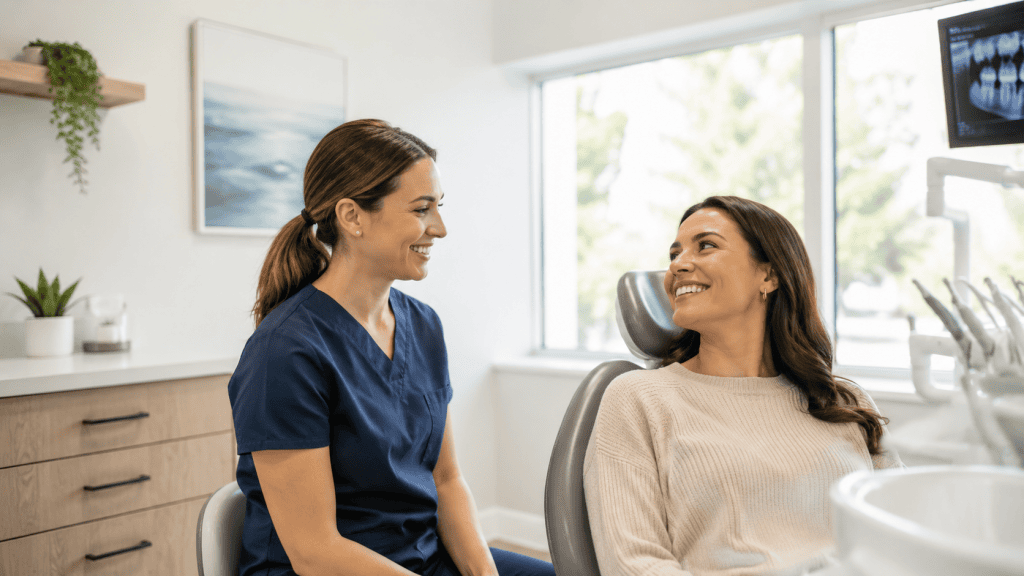
A straighter smile can do more than improve appearance. Well-aligned teeth are often easier to clean, may support healthier chewing, and can help reduce uneven wear over time. For patients exploring orthodontic treatment options Las Vegas NV dental teams may recommend, the number of choices can feel exciting—and a little overwhelming.
The good news is that modern orthodontics offers more flexibility than ever. Traditional braces are still a reliable option, but many patients also ask about clear aligners, discreet braces, early orthodontic care for children, and retainers to protect results. The right choice depends on a patient’s bite, tooth position, lifestyle, oral health, and personal goals.
This article is for general education only and is not a diagnosis or treatment plan. Anyone considering orthodontic care should schedule an exam with a qualified dental or orthodontic professional to understand their specific needs, risks, cost, and expected timeline.
Why Patients Consider Orthodontic Treatment
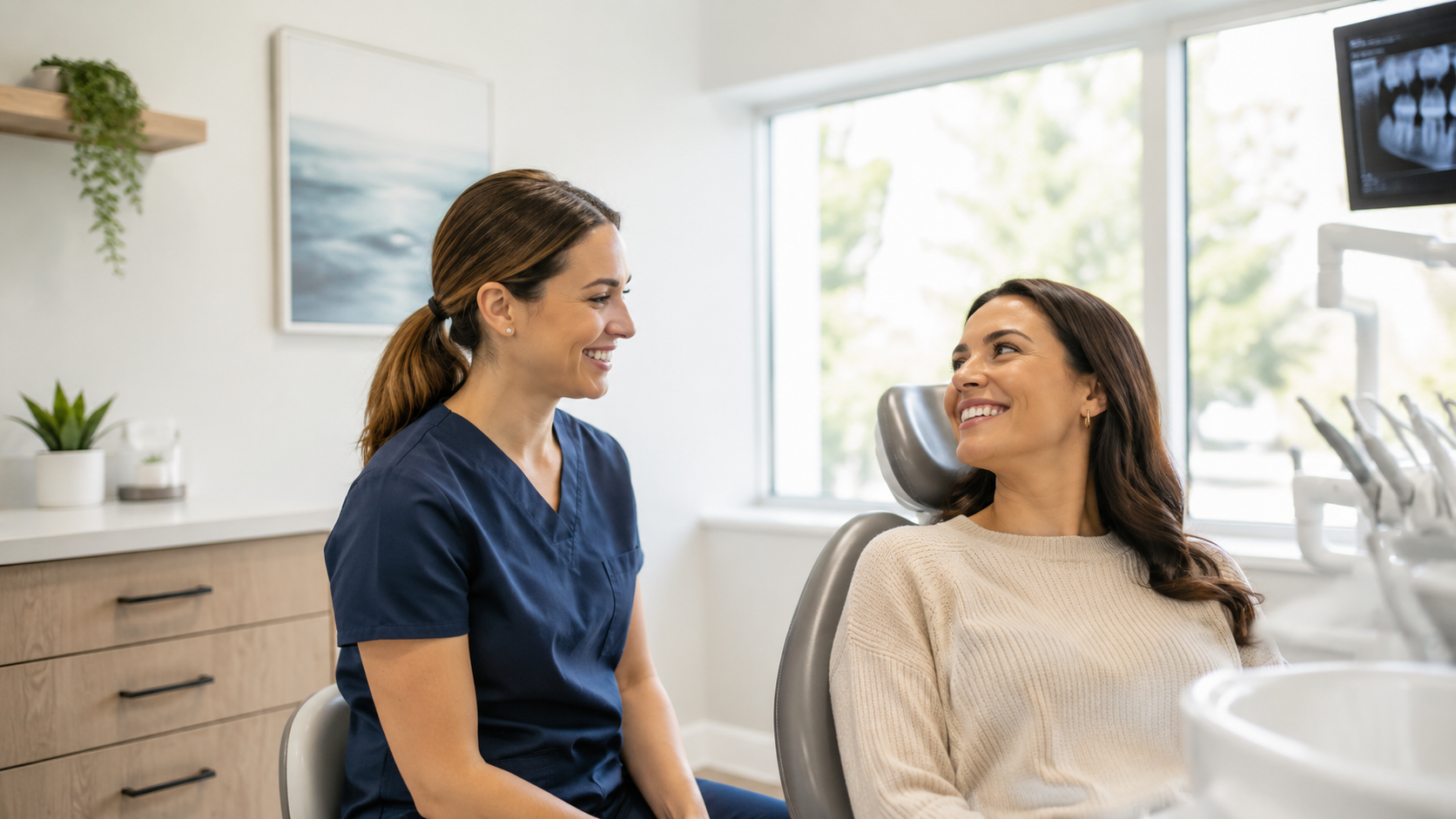
Orthodontic treatment focuses on guiding teeth and jaws into healthier alignment. While many people first think of straighter front teeth, orthodontics also looks at how the upper and lower teeth fit together when biting and chewing.
Patients may explore orthodontic care for several reasons, including:
- Crowded or overlapping teeth
- Spaces or gaps between teeth
- Overbite, underbite, crossbite, or open bite concerns
- Teeth that have shifted after previous orthodontic treatment
- Difficulty cleaning between crowded teeth
- Uneven tooth wear or bite discomfort
- Cosmetic smile improvement
Not every alignment concern requires the same approach. Some patients need simple tooth movement, while others may need more comprehensive care. A dental professional can evaluate the teeth, gums, jaw joints, bone support, and bite before explaining suitable options.
Traditional Metal Braces
Traditional metal braces are one of the most established orthodontic treatment options. They use small brackets attached to the teeth and connected by a wire. Over time, gentle pressure helps guide the teeth into better positions.
Today’s metal braces are generally smaller and more comfortable than older versions many adults may remember. They can be a strong choice for mild, moderate, and complex alignment needs, especially when precise tooth movement is required.
Who may benefit from metal braces?
Metal braces may be recommended for patients with crowding, spacing, rotated teeth, bite issues, or cases that require careful control of tooth movement. They can be especially helpful for younger patients because they stay in place and do not rely on remembering to wear removable trays.
What should patients expect?
Patients usually visit periodically for adjustments or progress checks. Some tenderness is common after braces are placed or adjusted, but it often improves within a few days. Soft foods, orthodontic wax, and careful brushing can help make the adjustment period easier.
Ceramic or Clear Braces
Ceramic braces work similarly to metal braces, but the brackets are tooth-colored or clear, making them less noticeable. They are popular with teens and adults who want the reliability of braces with a more discreet appearance.
Because ceramic brackets can be more noticeable if stained around the edges, patients need to be mindful of oral hygiene and certain foods or drinks. The brackets themselves are designed to blend with the teeth, but keeping them clean helps maintain their appearance throughout treatment.
Are ceramic braces right for everyone?
Ceramic braces may not be ideal for every bite or every patient. In some cases, metal braces may be more durable or efficient. A consultation can help determine whether ceramic braces can meet the patient’s alignment goals while fitting their lifestyle.
Clear Aligners
Clear aligners are removable trays that fit over the teeth and gradually move them according to a planned sequence. Many adults and teens like them because they are nearly invisible and can be removed for eating, brushing, and flossing.
Aligners can be a convenient option for busy patients in Las Vegas who want orthodontic care without brackets or wires. However, they only work when worn as directed. Most treatment plans require patients to wear aligners for the majority of the day and night, removing them only for meals, drinks other than water, and oral care.
Benefits of clear aligners
- Subtle appearance during daily activities
- Removable for meals and cleaning
- No brackets or wires
- Often fewer food restrictions than braces
- Digital planning may help patients preview the proposed tooth movement
Things to consider before choosing aligners
Clear aligners require consistency. If trays are not worn enough, teeth may not move as planned. Patients must also keep track of their aligners, clean them properly, and avoid eating or drinking sugary beverages while wearing them.
Aligners may not be the best fit for every complex bite concern. A dental professional can explain whether aligners are appropriate or whether braces would offer better control.
Early Orthodontic Evaluation for Children
Parents often wonder when a child should be checked for orthodontic concerns. An early evaluation does not always mean a child needs braces right away. Instead, it gives the dental team a chance to watch how the teeth and jaws are developing.
Some children benefit from early interceptive treatment, which may guide jaw growth, create space for incoming teeth, or address habits that affect development. Other children simply need monitoring until most permanent teeth come in.
Signs a child may need an orthodontic evaluation
- Early or late loss of baby teeth
- Crowded, blocked, or misplaced teeth
- Difficulty biting or chewing
- Mouth breathing or persistent thumb-sucking habits
- Jaws that shift, click, or seem uneven
- Upper and lower teeth that do not meet normally
Early guidance can sometimes make later treatment simpler, but every child is different. Parents should ask their child’s dentist when an orthodontic screening makes sense.
Adult Orthodontic Treatment
Many adults assume orthodontics is only for children or teenagers, but adult treatment is very common. Teeth can shift at any age, especially after gum changes, tooth loss, past orthodontic treatment, or years without wearing retainers.
Adult patients often want options that fit work, family, and social schedules. Clear aligners and ceramic braces are popular, but traditional braces may still be the most effective choice for certain needs. The most important step is making sure the gums and supporting bone are healthy before tooth movement begins.
Why gum health matters
Orthodontic treatment moves teeth through bone, so the foundation needs to be stable. Patients with gum disease, significant bone loss, or untreated cavities may need dental care before starting orthodontics. This does not necessarily mean orthodontics is off the table; it simply means the dental team may need to address health concerns first.
Retainers: Protecting the Smile After Treatment
Retainers are an essential part of orthodontic care. After teeth move into better alignment, they naturally want to shift. Retainers help hold the teeth in their new positions while the surrounding tissues stabilize.
There are different types of retainers, including removable clear retainers, removable wire retainers, and fixed retainers bonded behind the teeth. The recommended type depends on the patient’s bite, treatment history, and risk of shifting.
Patients who previously had braces or aligners and notice their teeth shifting should not wait until the movement becomes more noticeable. A dental visit can help determine whether a new retainer, limited orthodontic correction, or a more comprehensive plan is needed.
How to Compare Orthodontic Treatment Options
Choosing between braces and aligners is not just about appearance. Patients should consider comfort, responsibility, treatment complexity, hygiene, budget, and timeline.
Appearance
Clear aligners and ceramic braces are often preferred by patients who want a less noticeable look. Metal braces are more visible but can be customized with colored bands, which some younger patients enjoy.
Daily routine
Aligners can be removed for eating and brushing, but they must be worn consistently. Braces stay on the teeth, so patients do not need to remember to put them back in. However, braces require extra care when brushing and flossing around brackets and wires.
Food choices
Patients with braces typically need to avoid very sticky, hard, or crunchy foods that can damage brackets. Clear aligner patients remove trays before eating, so there are usually fewer food restrictions. They still need to brush before putting aligners back in to reduce the risk of trapped food and plaque.
Treatment complexity
Some bite concerns respond well to aligners, while others may be better suited for braces. A thorough exam and digital imaging help the dental team recommend the safest and most effective path.
Cost and financing
The cost of orthodontic treatment varies based on the type of treatment, case complexity, treatment length, insurance benefits, and any additional dental care needed. Patients should ask for a clear estimate and discuss payment or financing options before starting.
What Happens at an Orthodontic Consultation?
An orthodontic consultation is designed to answer questions and create a clear picture of the patient’s needs. The visit may include a discussion of goals, dental history, X-rays or digital scans, photos, bite evaluation, and a review of treatment options.
Patients should feel comfortable asking questions such as:
- Which treatment options are appropriate for this case?
- How long might treatment take?
- What are the main benefits and limitations of each option?
- Will any dental work be needed before orthodontics?
- How often are visits typically needed?
- What is included in the cost?
- What type of retainer will be needed after treatment?
A good consultation should leave patients feeling informed—not pressured. Orthodontic care is a commitment, and understanding the process helps patients feel more confident from the start.
Tips for a More Comfortable Orthodontic Experience
Whether a patient chooses braces or aligners, small daily habits can make treatment smoother.
- Keep teeth clean: Brush carefully and follow flossing instructions to reduce plaque buildup.
- Use recommended tools: Interdental brushes, floss threaders, water flossers, or aligner cleaning products may help.
- Follow wear instructions: Aligners, elastics, and retainers only work when used as directed.
- Protect the mouth: Patients who play sports should ask about mouthguards.
- Report problems early: Broken brackets, lost aligners, sharp wires, or discomfort should be discussed with the dental team.
- Attend scheduled visits: Regular check-ins help keep treatment on track.
Orthodontic care is a partnership. The dental team guides treatment, but the patient’s daily habits play a major role in the final outcome.
FAQ About Orthodontic Treatment Options in Las Vegas, NV
What is the best orthodontic treatment option?
There is no single best option for every patient. Braces may be better for certain complex tooth movements, while clear aligners may work well for patients who want a removable and discreet option. The best choice depends on the patient’s bite, oral health, goals, and ability to follow treatment instructions.
Are clear aligners as effective as braces?
Clear aligners can be very effective for many mild to moderate alignment concerns and some more advanced cases when properly planned. However, braces may provide better control for certain complex tooth or bite movements. A consultation is the best way to compare options.
How long does orthodontic treatment usually take?
Treatment time varies widely. Some minor corrections may take several months, while more comprehensive cases can take a year or longer. The timeline depends on the amount of movement needed, the treatment type, patient compliance, and how the teeth respond.
Does orthodontic treatment hurt?
Patients may feel pressure or soreness after braces are adjusted or when switching to a new aligner tray. This discomfort is usually temporary. Dental teams can offer tips such as soft foods, orthodontic wax, or over-the-counter pain relief when appropriate for the patient.
Can adults get orthodontic treatment?
Yes. Many adults choose orthodontic care to improve alignment, correct shifting, or support a healthier bite. Adults may need a gum health evaluation before starting because healthy supporting tissues are important for safe tooth movement.
Will insurance cover orthodontic treatment?
Coverage depends on the dental insurance plan. Some plans include orthodontic benefits, age limits, deductibles, or lifetime maximums. Patients should ask the dental office for help reviewing benefits and understanding out-of-pocket costs.
What happens if someone does not wear retainers after treatment?
Teeth can gradually shift without retainers. This may lead to crowding, spacing, or bite changes over time. Wearing retainers as recommended is one of the best ways to protect orthodontic results.
Taking the Next Step Toward a Straighter Smile
Exploring orthodontic treatment options can feel like a big decision, but patients do not have to figure it out alone. From traditional braces to clear aligners and retainers, modern orthodontics offers solutions for many ages, lifestyles, and smile goals.
For patients comparing orthodontic treatment options Las Vegas NV dental professionals can provide, the best next step is a personalized consultation. SDS Dental Specialists – NV can help patients ask the right questions, understand their choices, and decide which approach may fit their needs. A comfortable conversation with a dental professional can turn uncertainty into a clear, confident plan for a healthier-looking smile.

